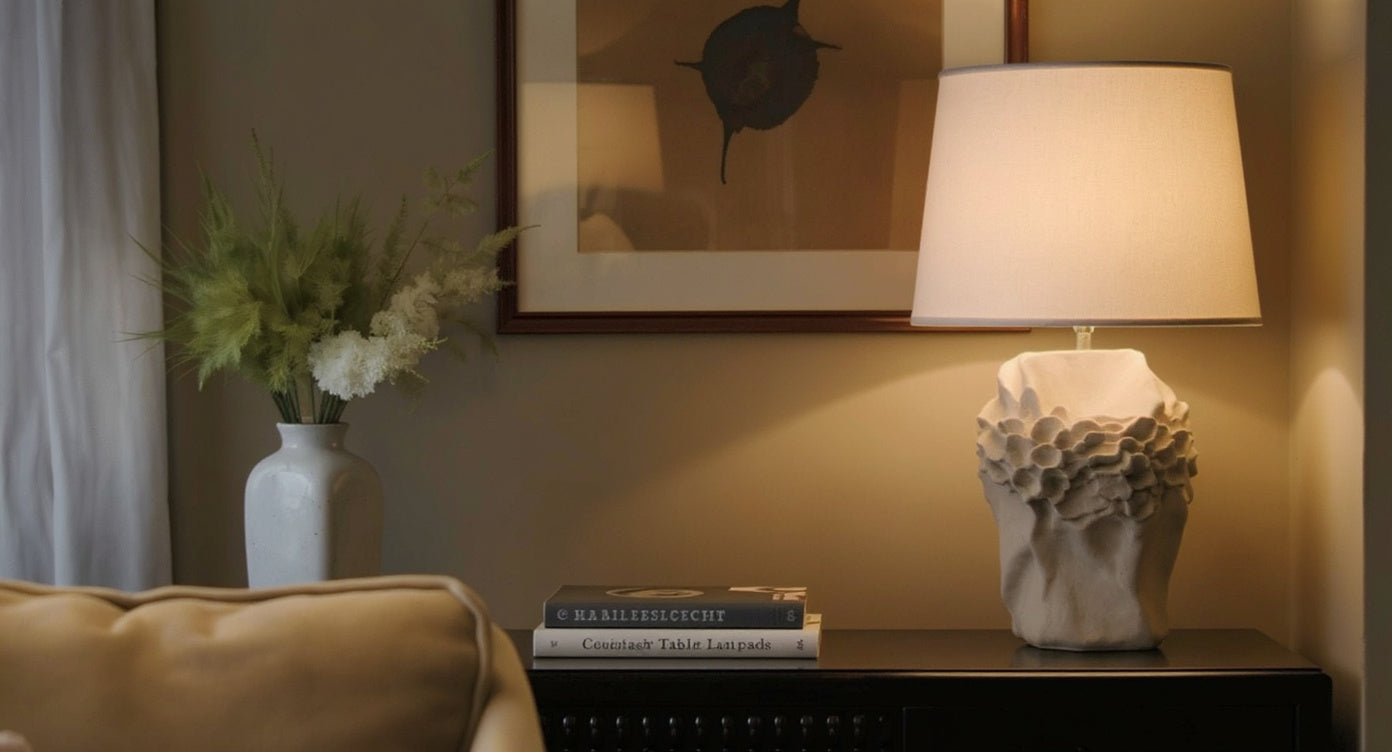
Ceramic, Stoneware, and Porcelain Lamps: Understanding the Differences
Ceramic vs stoneware lamp comparisons reveal distinct material strengths for ambient lighting. Each type offers unique sculptural appeal, durability, and design flexibility. Understanding these differences ensures the right statement piece for modern interiors.
What is the Difference Between Ceramic and Stoneware Lamps?
Ceramic Lamps: Properties and Uses
Ceramic lamps feature lightweight construction and smooth glazes, ideal for linen shade pairings. Their E26 base compatibility suits most bulb types. Fired at lower temperatures, ceramic allows intricate patterns but requires careful handling.
Stoneware Lamps: Strength and Texture
Stoneware lamps boast thicker walls and natural, organic forms. The material’s coarse texture complements brass hardware for rustic appeal. High firing temperatures enhance durability, making stoneware suitable for high-traffic areas.
Are Porcelain Lamps More Durable Than Ceramic Lamps?
Porcelain Lamps: Durability and Elegance
Porcelain lamps are 30% denser than ceramic due to kaolin clay composition. Their vitrified surface resists scratches, ideal for quality-built outdoor fixtures. The translucent quality adds refined elegance to ambient lighting.
Comparing Durability Across Materials
- Porcelain: 9/10 scratch resistance
- Stoneware: 7/10 impact resistance
- Ceramic: 5/10 chip resistance
What Are the Benefits of Stoneware Table Lamps?
Stoneware’s Organic Forms and Warmth
Stoneware table lamps introduce earthy textures to modern interiors. Their carefully shaped asymmetry creates one-of-a-kind silhouettes. Pair with warm-toned bulbs (2700K-3000K) for optimal ambiance.
Stoneware Lamps in Modern Interiors
Designers favor stoneware for its neutral palette and sculptural presence. Works well in:
- Minimalist spaces needing tactile contrast
- Farmhouse styles with exposed wood beams
- Mid-century rooms with brass accents
Can Ceramic Lamps Be Used Outdoors?
Outdoor Suitability of Ceramic Lamps
Ceramic lamps require weatherproof sealing for outdoor use. Opt for glazed finishes with UV protection. Limit exposure to direct rainfall—porcelain or stoneware better withstands humidity.
Weather Resistance and Maintenance Tips
- Apply automotive wax biannually to glazed ceramic
- Store unseated ceramic lamps indoors below 40°F
- Use silicone gaskets for E26 base waterproofing
How Do I Clean Porcelain Lamps?
Cleaning Techniques for Porcelain Lamps
Dust weekly with microfiber to maintain shine. For stains, mix 1 tsp white vinegar per cup of water. Avoid abrasive pads—porcelain’s glossy finish scratches at 3 Mohs hardness.
Maintaining the Shine of Porcelain
- Wipe spills immediately to prevent mineral deposits
- Polish with 10% ammonia solution quarterly
- Never submerge electrical components
Choosing the Right Lamp Material for Your Space
Ceramic Lamps for Versatile Design
Ceramic suits colorful statement pieces in bedrooms or offices. Their lighter weight (2-5 lbs) allows easy repositioning.
Stoneware Lamps for a Rustic Touch
Stoneware anchors spaces needing visual weight, like console tables or fireplace mantels. Average weight: 8-12 lbs.
Porcelain Lamps for Timeless Elegance
Porcelain excels in formal settings—dining rooms, lobbies, or galleries. Its 90% light reflectivity enhances ambient lighting.